Brand New Multifamily Selling At Higher Cap Rates Than Older Vintage Properties

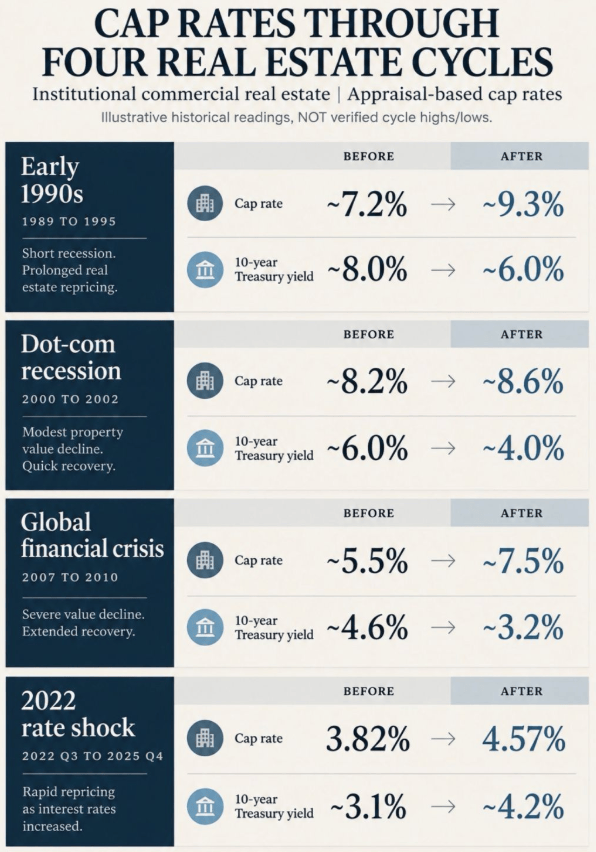
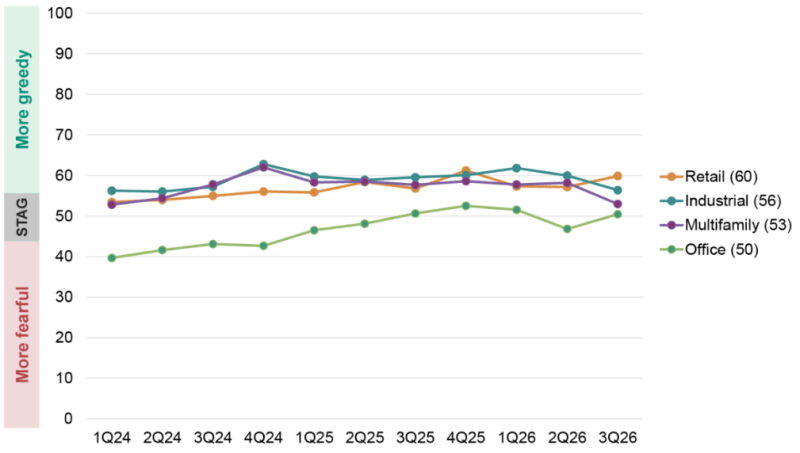
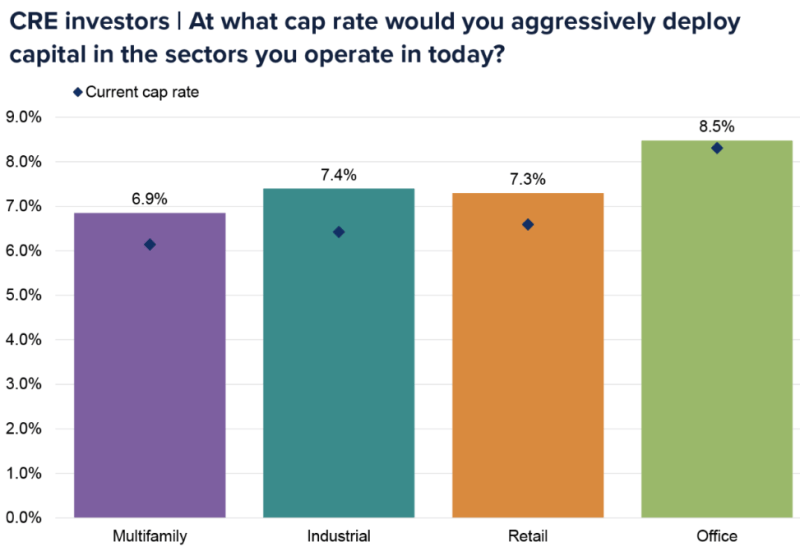
One of the multifamily sector’s most reliable pricing anchors has been flipped upside down: in many trades today, brand‑new Class A assets are selling at higher cap rates than older value‑add product.

With core and core‑plus funds largely sidelined the last few years, value‑add buyers have become the marginal price setters and they are underwriting newer deals with a very different set of return targets. These investors are paying up for older stock they can actively improve, while demanding a discount on new deliveries that offer less scope for forced appreciation.

The capital most eager to transact today is not looking for long‑duration, bond‑like income streams; it is looking for upside. The result is an upside‑down yield curve by vintage that would have been hard to imagine a few years ago.

Source: Globe St.

PODS 2026 Moving Trends Report

This week PODS unveiled their sixth annual Moving Trends Report, highlighting the U.S. cities with the most move-ins and move-outs. The Carolinas dominated the top 6.

Top 10 cities with the highest number of move-ins:

  1. Myrtle Beach, SC-Wilmington, NC (1st in 2025)
  2. Ocala, FL (2nd in 2025)
  3. Dallas-Fort Worth, TX (5th in 2025)
  4. Raleigh, NC (3rd in 2025)
  5. Greenville-Spartanburg, SC (4th in 2025)
  6. Charlotte, NC (6th in 2025)
  7. Boise, ID (7th in 2025)
  8. Knoxville, TN (8th in 2025)
  9. Sarasota, FL (unranked in 2025)
  10. Jacksonville, FL (10th in 2025)

Once again, Wilmington, NC, proves to be one of the most popular places to move to in the country.

Affordability overtook career as the number one deciding factor for moving Americans, with 58 percent of respondents claiming it as a top motivator. Up next at 41 percent was community and connection. 

Top 10 cities with the highest number of move-outs:

  1. Los Angeles, CA (1st in 2025)
  2. South Florida (Miami area) (3rd in 2025)
  3. Northern California (San Francisco area) (2nd in 2025)
  4. Washington, D.C. (14th in 2025)
  5. Long Island, NY (Serving parts of NYC) (4th in 2025)
  6. Central Jersey, NJ (6th in 2025)
  7. Boston, MA (8th in 2025)
  8. Hudson Valley, NY (9th in 2025)
  9. Chicago, IL (7th in 2025)
  10. San Diego, CA (5th in 2025)

Source: PODS

Trailing 12 Month REIT Performance Rankings

As of May 1, the health-care sector led all publicly traded U.S. equity REIT sectors in terms of the last twelve months funds from operations multiple. The sector posted a 57.24x LTM FFO multiple, outperforming the Dow Jones equity all REIT index by 33.13 percentage points.

The self storage and equity all REIT sectors followed with price to LTM FFO multiples of 27.82x and 24.11x, respectively.

The U.S. manufactured homes REIT sector ranked second to last with 19.45x with the apartment REIT index last with 16.14x.

Among the Multifamily REITs, Veris Residential Inc. was on top of the list with a 25.6x price to LTM FFO multiple, followed by Camden Property Trust and Equity Residential with a 16.8x price to LTM FFO multiples.

NexPoint Residential Trust, Inc. and Elme Communities were at the bottom of the list with a 11.5x and a 2.8x price to LTM FFO multiple respectively. 

Source: Multi-Housing News

Wall Street Journal: America’s Fastest-Growing Cities Are in the Exurbs

The future of American cities is in the exurbs. The latest Census Bureau data show that some of the fastest-growing cities are often sitting in the distant orbit of a larger city and centered on booming master-planned communities.

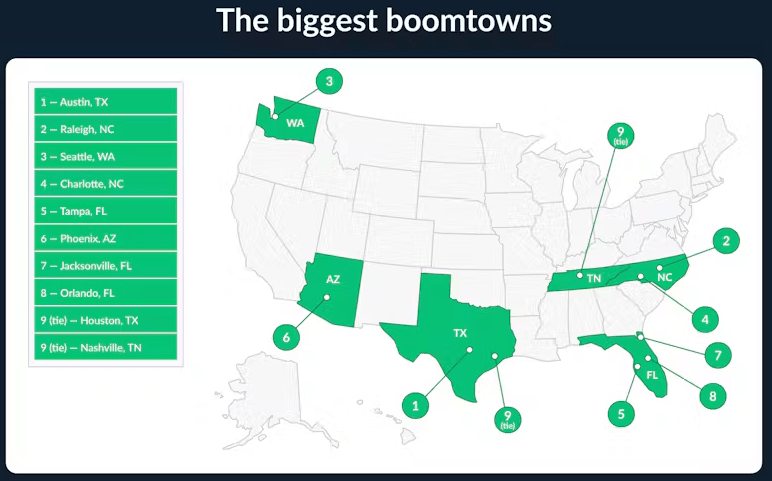
North Carolina remains a growth hot spot. Its famed Research Triangle Park is flanked by Raleigh and Durham, which together had 812,000 residents as of mid-2025, up 9% since 2020. They are surrounded by smaller boomtowns, too, including Cary, Chapel Hill, Apex and Holly Springs. Collectively, eight of those communities grew 14% in the five years through mid-2025 to nearly 500,000 people.

Charlotte, N.C., with a population of almost 965,000, is near joining an exclusive club with just 12 members (including Austin, Texas, a brand new entrant): cities with more than one million people. Charlotte grew 2.2% in the last measured year, faster than any U.S. city with more than 500,000 people.

Source: Wall Street Journal

South Region Adding 37,400 Build-To-Rent Units To The Pipeline

Nearly 61% of the nation’s build-to-rent (BTR) construction pipeline remains concentrated in the South as developers and investors keep the sector active in 2026.

Build-To-Rent includes:

  • Single-family housing that is fully detached
  • Single-family housing that is semi-detached (semi-attached, side-by-side)
  • Row houses
  • Duplexes
  • Quadruplexes
  • Townhomes built for rental

Nationwide, just 16 markets count 1,000 or more BTR units under construction, or about 63% of activity.

Source: RealPage