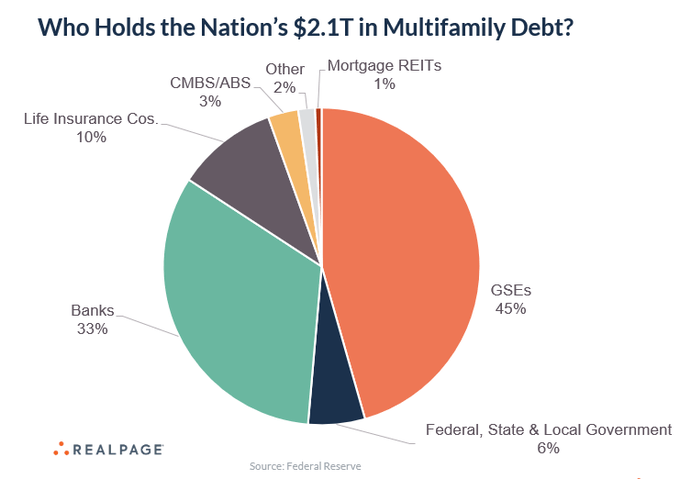
Debt funds and CMBS are getting all the headlines for at-risk loans, but together they represent less than 5% of the $2.1 trillion in multifamily debt. The majority of the riskiest bridge loans were concentrated within debt funds, which represent only $42 billion of the total pie.
Delinquency rates at banks (0.40%), Freddie Mac (0.29%) and Fannie Mae (0.54%) remain extremely low (so far).
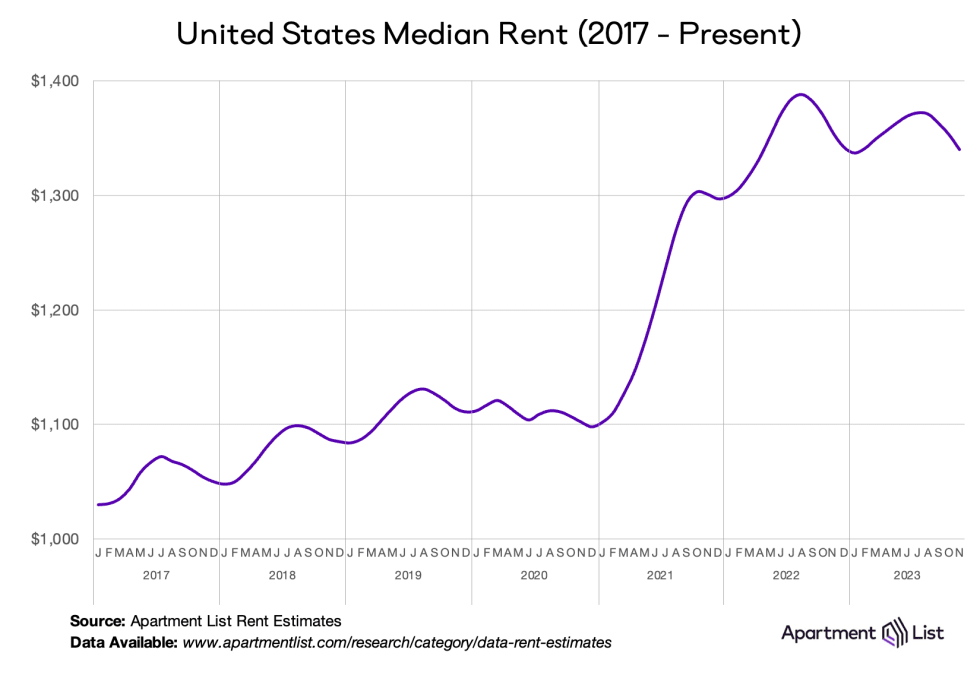
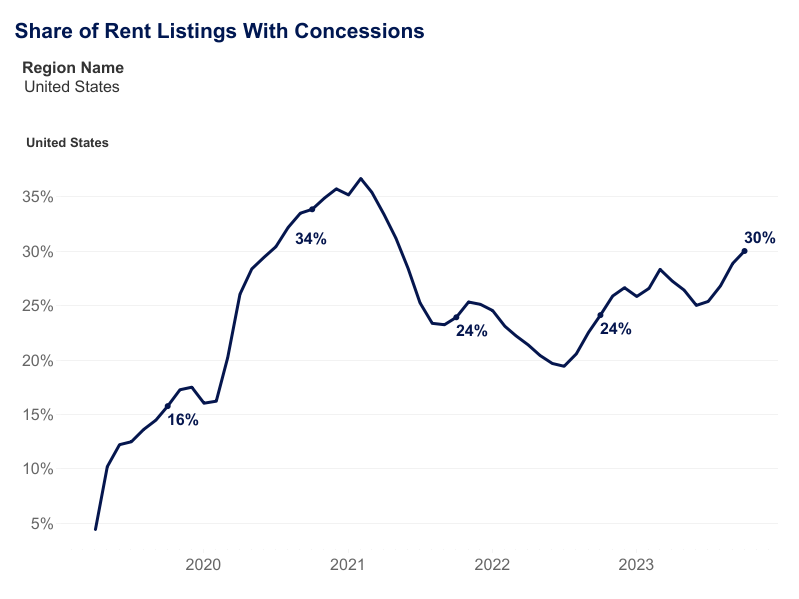
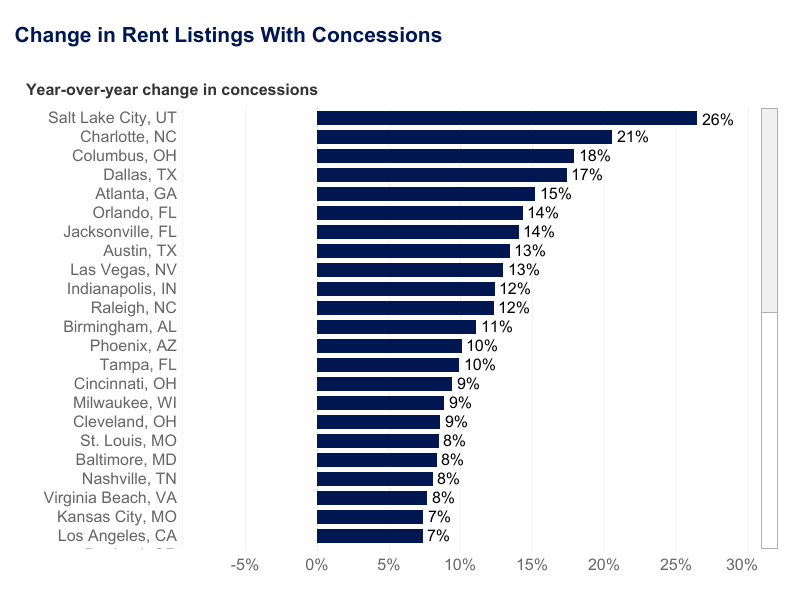
U.S. rents are still digesting the incredible rise during 2021 and the first half of 2022. Rents are below their peak in many markets across the country and continue to fall month-over-month, especially when concessions are taken into account.
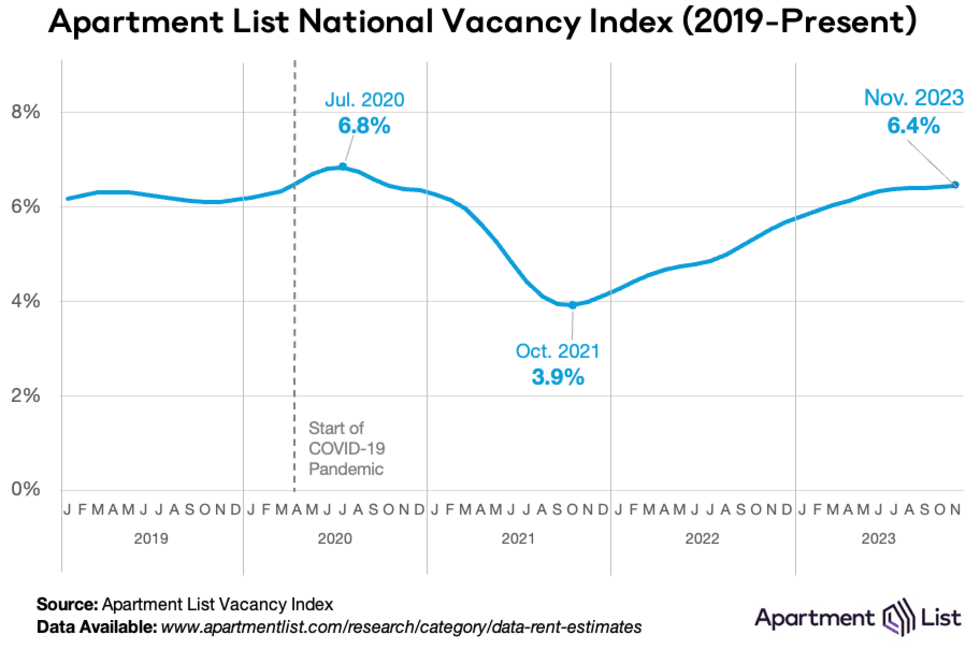
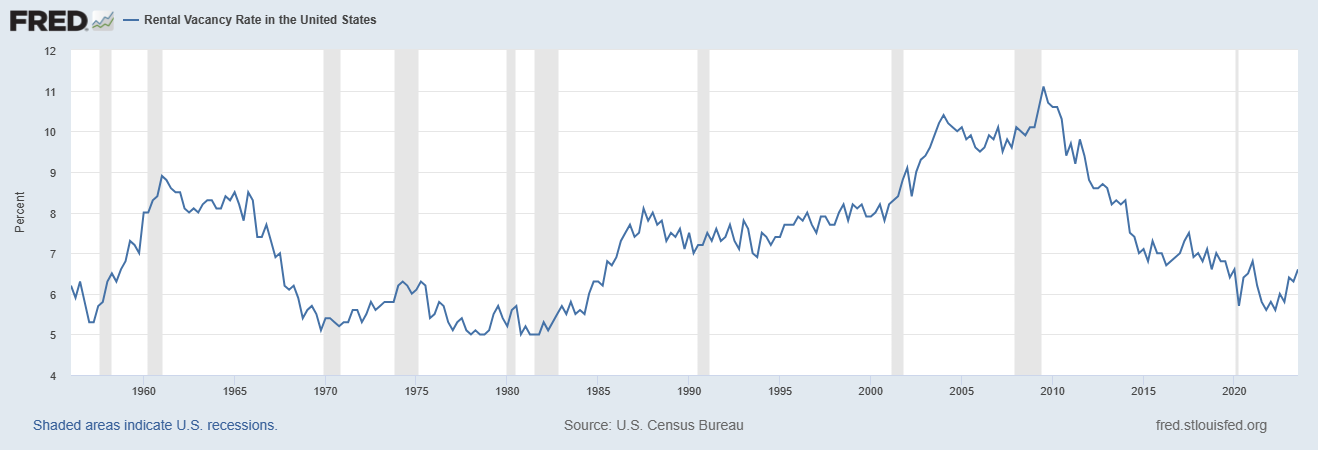
Vacancy rates are back to pre-pandemic levels:
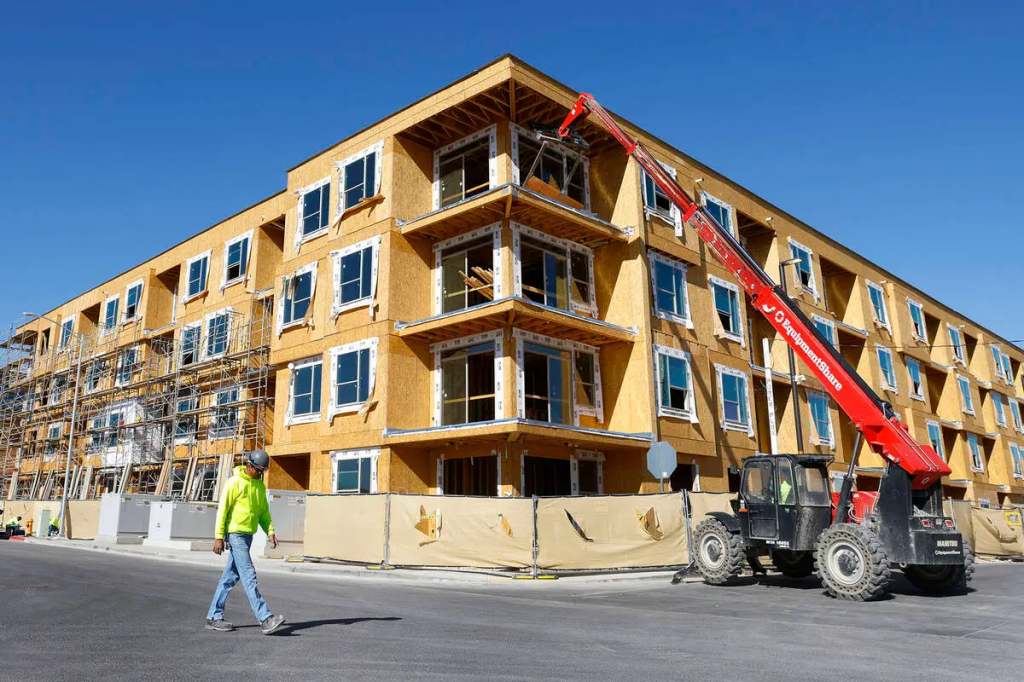
One million apartments are currently under construction with new deliveries set to surge throughout 2024 before starting to decline in the second quarter of 2025:
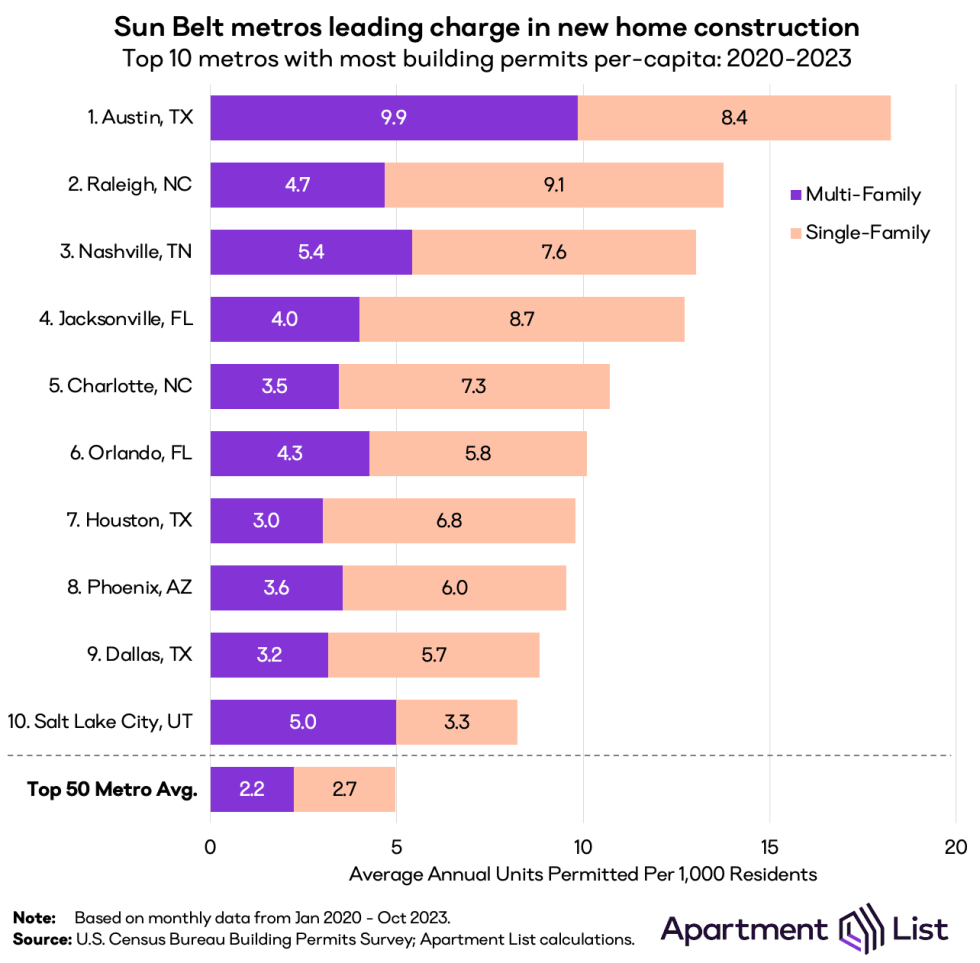
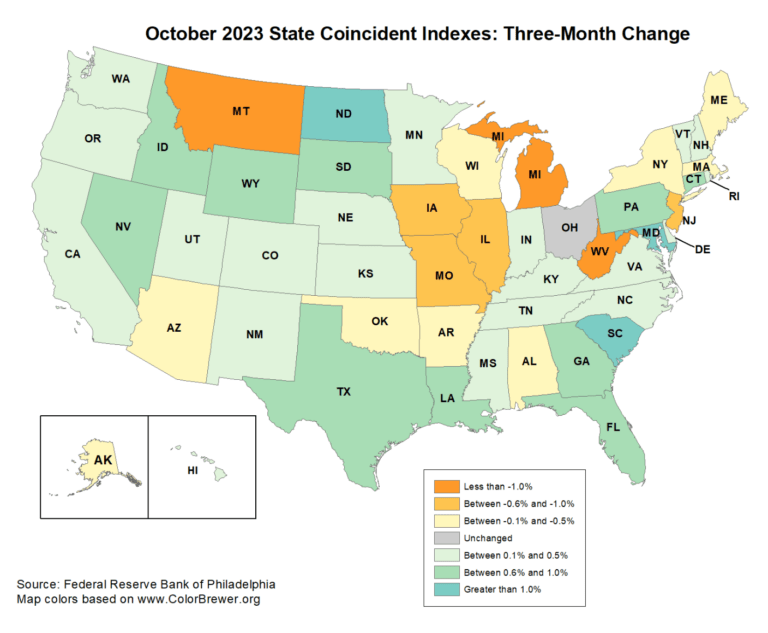
The sun belt is faced with an enormous supply surge. These are high population growth markets, but they have experienced some of the largest rent declines in the country over the last year.
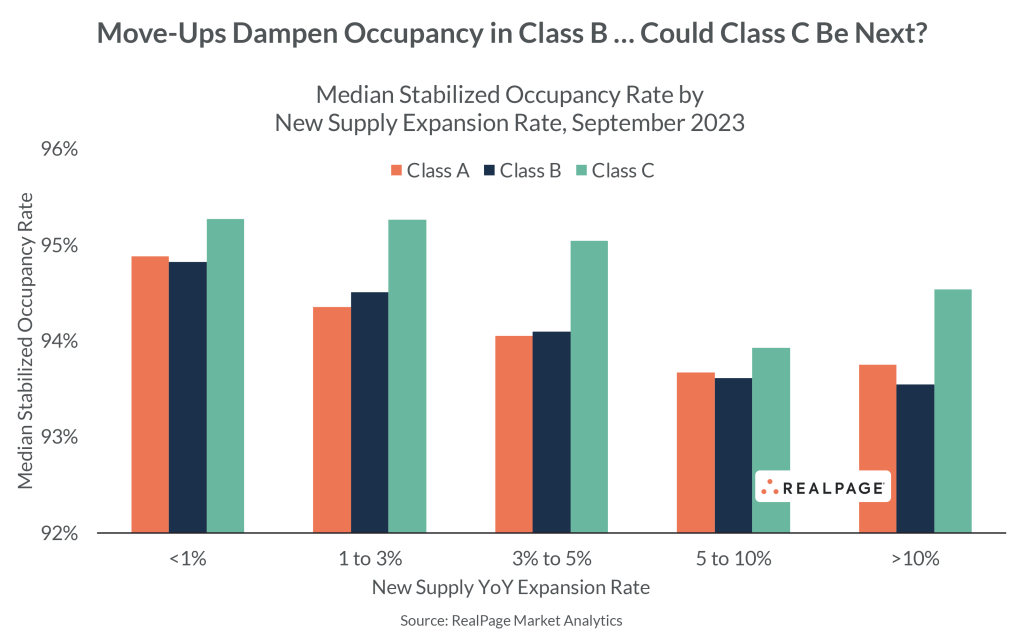
Multifamily REIT CEOs have been commenting on earnings calls that the concessions (1 to 3 months of free rent) from class A buildings are now putting downward pressure on their class B property rents. This is not something they were experiencing in the first half of 2023. Many renters can now afford to move up to a class A community with these concessions in place (3 months of free rent is equivalent to a 25% drop in rents).
When the 10-year treasury hit 5% in October, builders suddenly felt pressure to hit 90% occupancy by year end to try and sell or put permanent financing on their buildings. This is creating a fire sale with rent concessions.
The greater the percentage of new supply relative to the current inventory of apartments in a city, the larger the impact on class B and C properties:
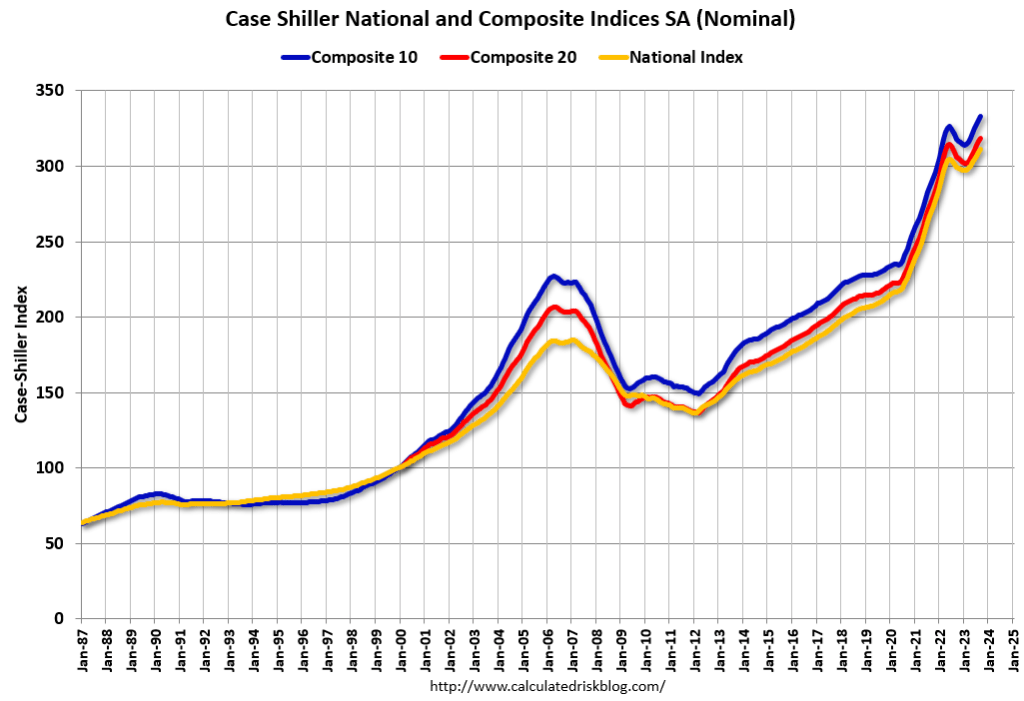
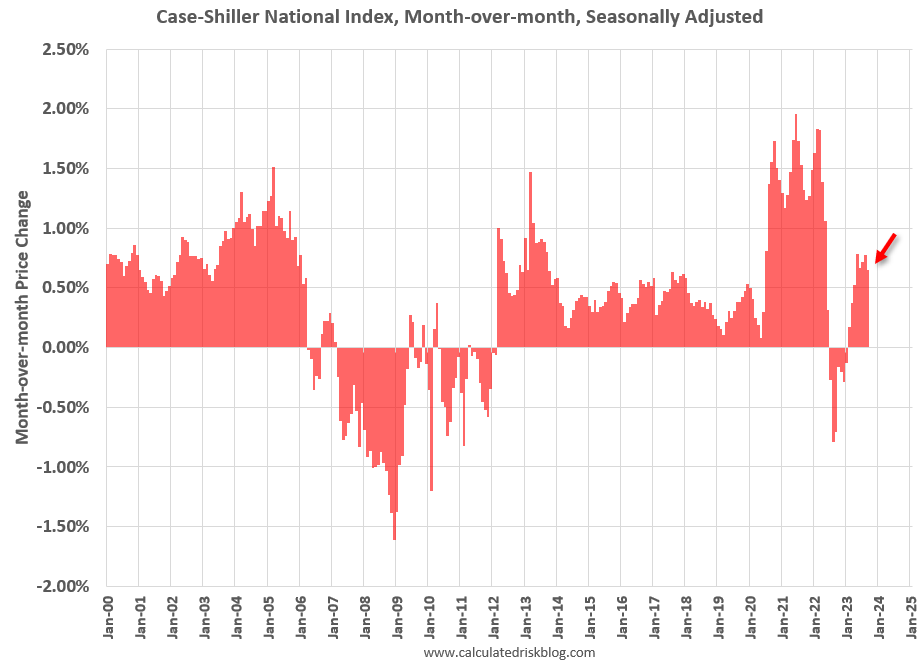
The S&P CoreLogic Case-Shiller U.S. National Home Price NSA Index, covering all nine U.S. census divisions, reported a 3.9% annual change in September (which is an average of July, August and September closing prices), up from a 2.5% change in the previous month.
The month over month increase was at 0.65%. This was the eighth consecutive month-over-month increase following seven straight month-over -month decreases.
Multifamily starts fell 32.8% year over year in October, with permits pulled falling 27.8%. Completions rose to 408,000 in October, a 14.3% increase.
Construction starts peaked in May of this year and that new supply will continue to hit the market through 2024-2025. Yardi projects 487,512 new units will deliver in 2023 with 536,145 expected in 2024.


 Multifamily Market News