
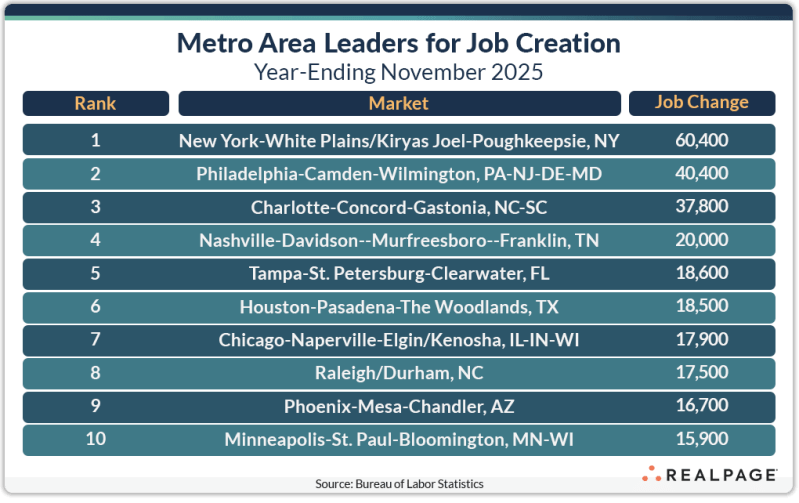
Eight of the top 10 job growth markets had greater growth rates than one year ago, led by Myrtle Beach with a 250-bps increase.
Source: RealPage
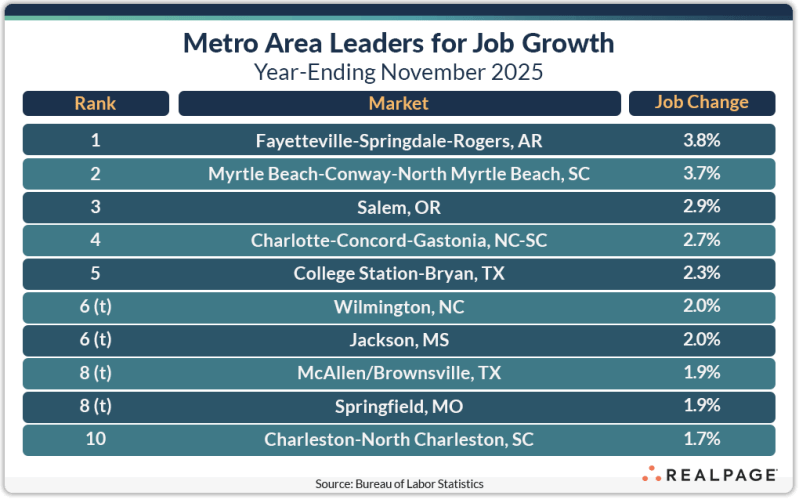
Eight of the top 10 job growth markets had greater growth rates than one year ago, led by Myrtle Beach with a 250-bps increase.
Source: RealPage
The Rentometer Single-Family Report focuses on median advertised rents for three-bedroom single-family homes, the most common single-family rental configuration – a sector that houses approximately 41% of the U.S. renter population.
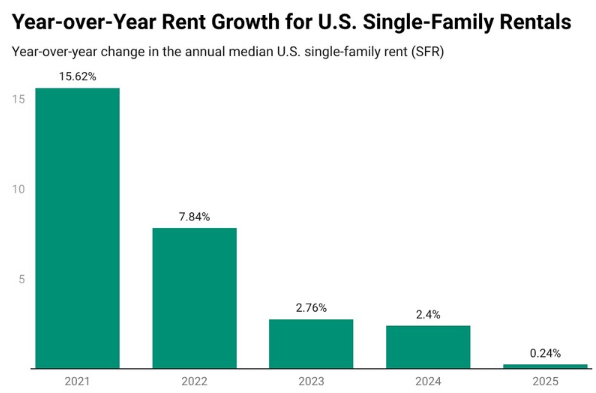
After years of robust increases, rental growth slowed to a crawl in 2025. After climbing 7.8% in 2022 and nearly 3% in 2023, annual rent growth cooled to 2.4% in 2024 and fell below 0.25% in 2025, reflecting a market grappling with elevated vacancies, slowing demand and affordability pressures.
The median rent for a three-bedroom single-family home in the United States was $2,100 in 2025, remaining largely unchanged from the prior year.
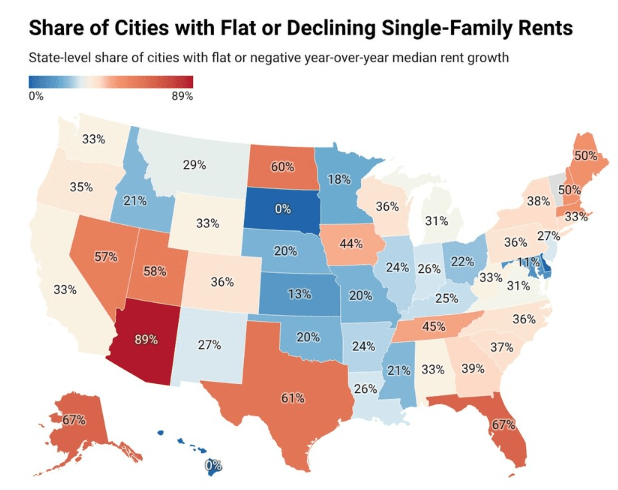
Single-family vacancy rates reached 6.3% in early 2025, the highest level in nearly a decade.
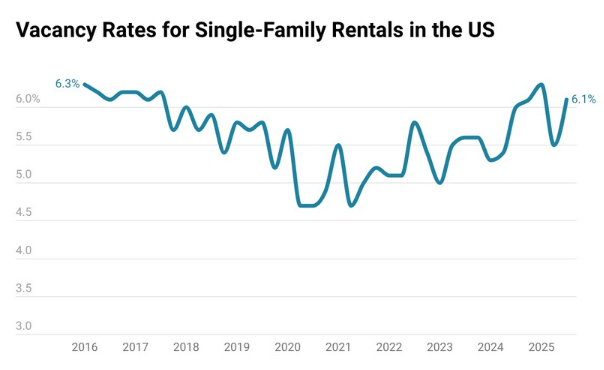
A large wave of new apartment supply delivered over the past two years has provided a viable alternative for renters who might otherwise choose single-family homes, particularly those facing affordability pressures.
According to Zillow survey data, only about half of recent renters who moved out of a single-family detached rental transitioned into another single-family home, with the remainder shifting to apartments or other housing types.
Source: Rentometer
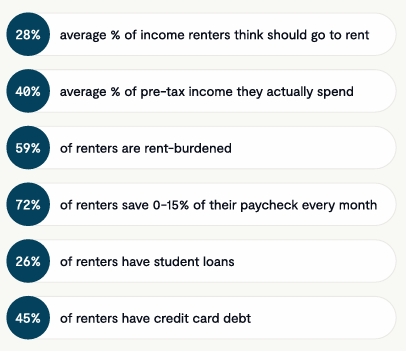
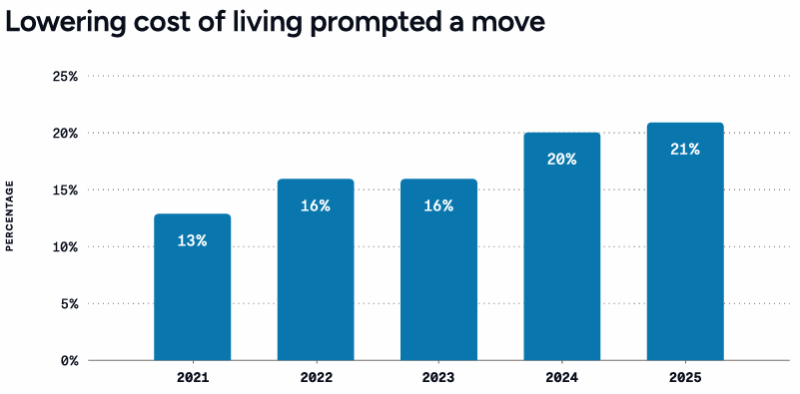
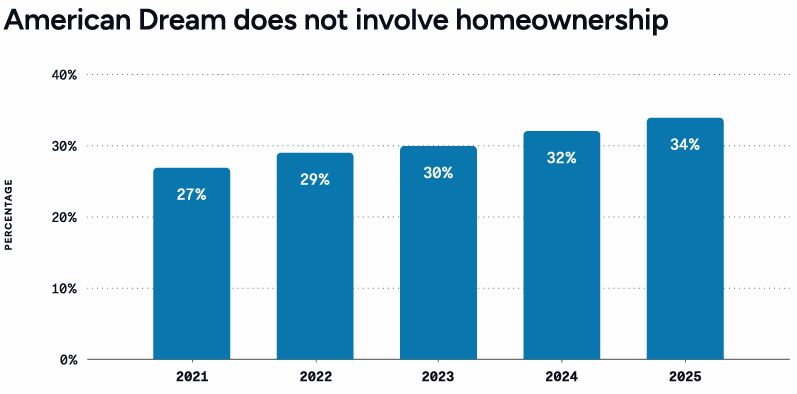
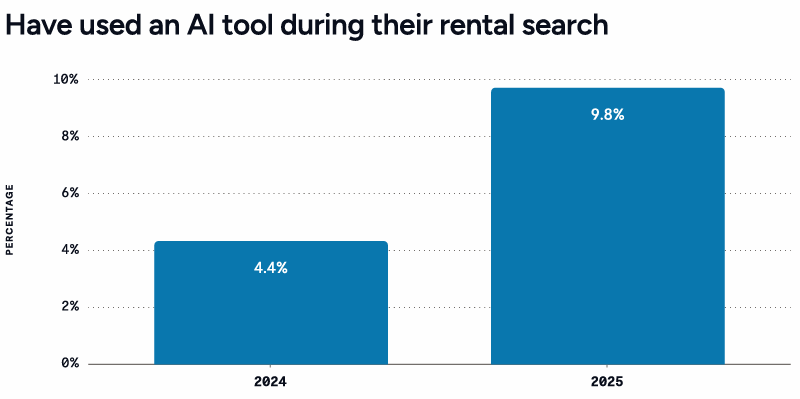
Highlights from Zumper’s Annual State Of Renting Survey & Report:



Source: Zumper
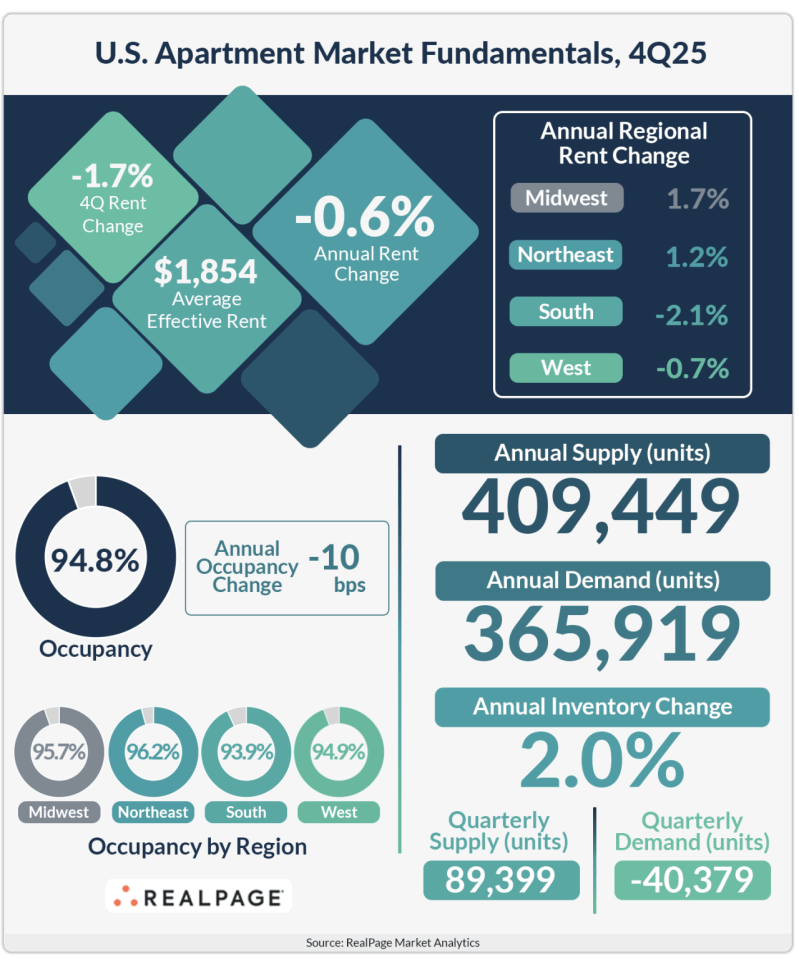
Apartment demand fell by 40,400 units in Q4 2025, bringing annual demand down to only 365,900 units. New supply also continued to decline, (89,400 in Q4 and 409,500 year-over-year), but it was not as rapid as the decline in demand.
Rent prices fell 1.7% in Q4. While it’s common for operators to cut rents in the slower leasing season, this latest decline was roughly twice as deep as the cuts the market has seen in 4th quarters during the past five years.
Over 23% of apartments were offering concessions as of Q4, and the average concession was 7%. As operators focus on filling units in the coming months, concession utilization could become even more prevalent, making true rent growth harder to realize until discounts burn off.
Source: RealPage
Each year, Allied Van Lines’ U.S. Migration Report analyzes where people are moving to in the United States. Migration trends show steady movement toward midsize cities, particularly in the lower-cost-of-living Southeastern states.
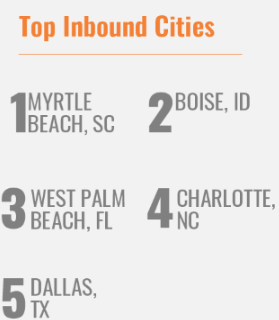
In spite of the unprecedented shifts to the U.S. migration map over the last few years, one thing remains the same: Americans prefer to move later in the week and during the summer to minimize the disruption to their daily lives.
Source: Allied Van Lines
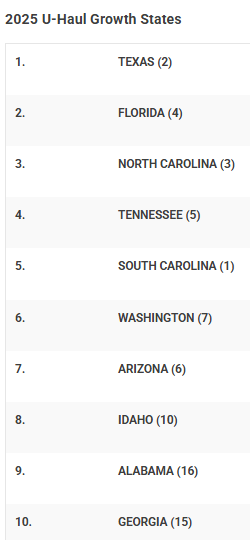
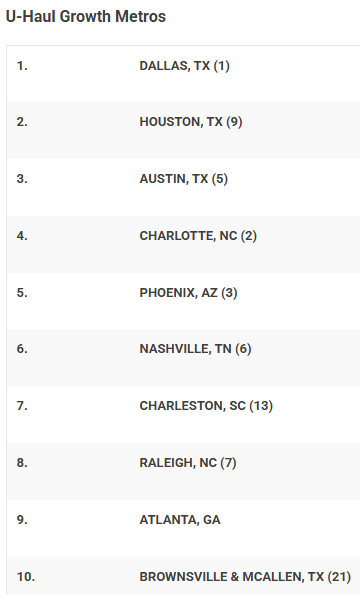
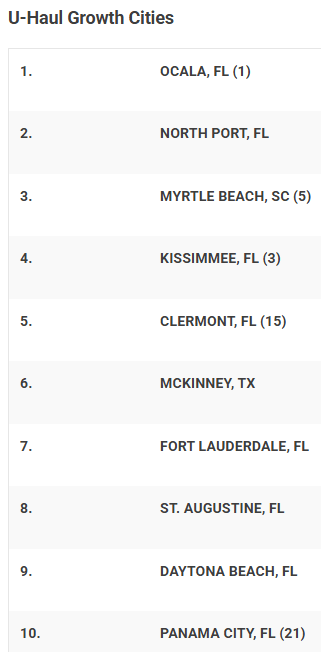
U-Haul ranks states by their net gain (or loss) of customers who rented a one-way truck or moving containers in one state and dropped off their equipment in another state. It’s compiled from over 2.5 million annual one-way transactions across the U.S. and Canada.
Sunshine and warm weather remain appealing to the moving public, based on the top 10 growth states. Conversely, eight of the bottom 10 states are northern states.
Blue-to-red state migration, a hotly debated political topic that became more pronounced after the pandemic of 2020, continues to be a discernable trend. Seven of the top 10 growth states currently feature Republican governors, and nine of those states went red in the last presidential election. Conversely, nine of the bottom 10 growth states feature Democrat governors, and seven of those states went blue in the last presidential election.
The number in (parentheses) shows where the state ranked last year:
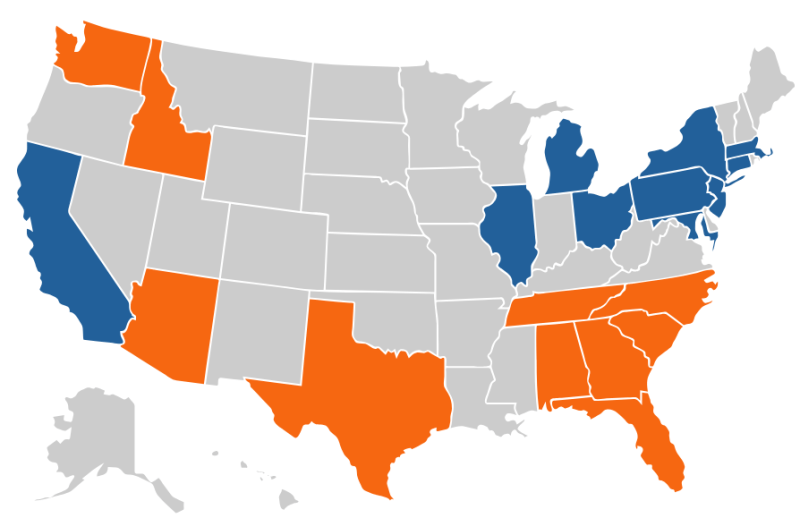
Source: U-Haul
Condo owners are struggling with the worst market in more than 10 years. Prices for U.S. condominiums posted their biggest annual decline since 2012.
The condo market’s softness reflects ways the housing market and buyer preferences are evolving. Many condo buildings are located in urban downtowns, which are less attractive than they used to be for people who now work from home at least part-time. Condos are popular in second-home markets, which have suffered from a slowdown in demand.
Rising homeowner-association fees due to higher insurance premiums and maintenance costs are also making condominium purchases less affordable. Another challenge for condo owners is that it can be difficult for buyers to get mortgages for units in buildings that need major repairs or don’t have enough property insurance.

Source: Wall Street Journal
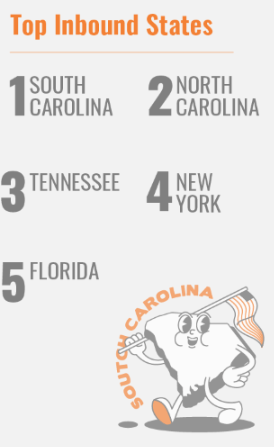
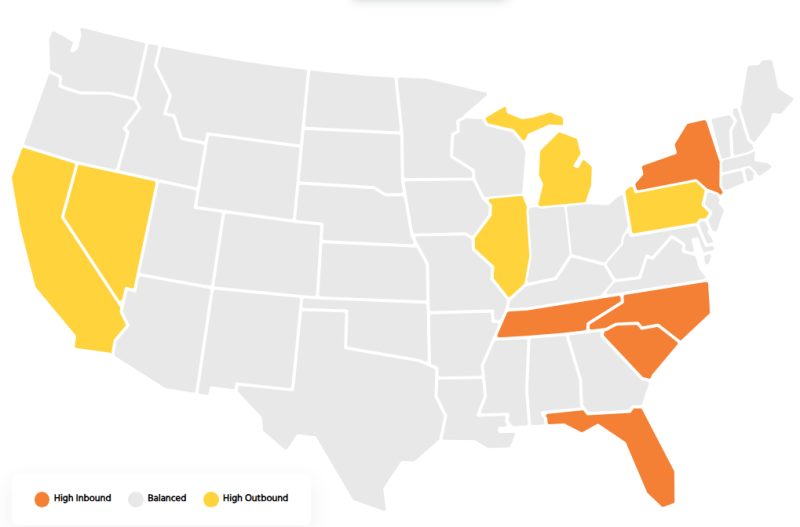
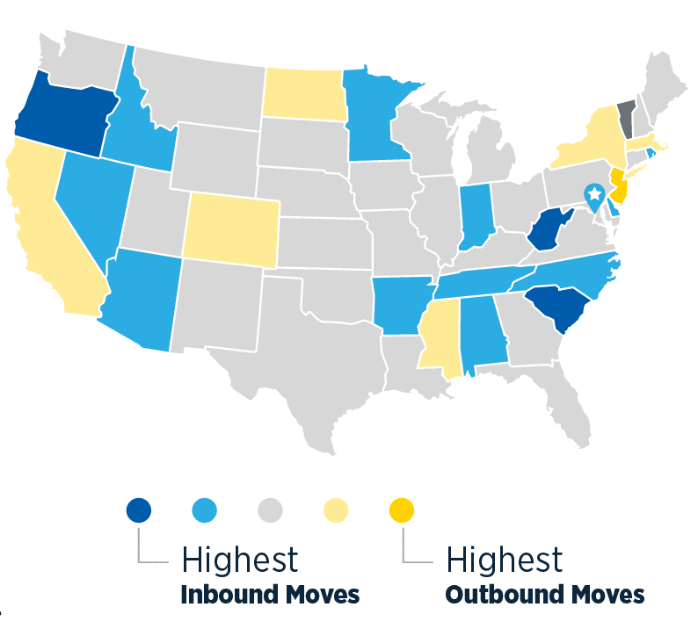
The top inbound states of 2025 were:
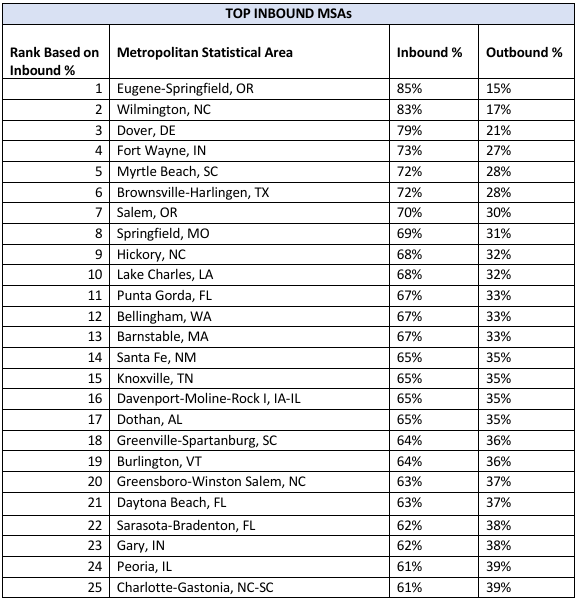
The top outbound states for 2025 were:
Couple Key Notes:
Major southern migration magnets like Texas and Florida — historically powerhouse inbound destinations — are now experiencing balanced migration patterns, reflecting how rising housing costs are beginning to constrain even traditionally attractive regions.
A broad migration shift toward smaller cities and towns is redefining American relocation patterns.
Source: United Van Lines
In the third quarter of 2025, less than 50,000 units were delivered across southeast apartment markets. That was well behind the peak delivery load of more than 65,000 units per quarter during 2024.
The volume currently underway has also fallen, and by Q3 2027, annual supply in the southeast will move below pre-COVID averages, at about 24,000 units.

Source: RealPage
Master Planned & Build-To-Rent Communities:
Key Demographic Shifts Shaping Future Demand:
New Supply and Immigration:
Renting vs. Buying Affordability:
Source: The Rent Roll Podcast

