
Cities With the Highest Number of Move-Ins
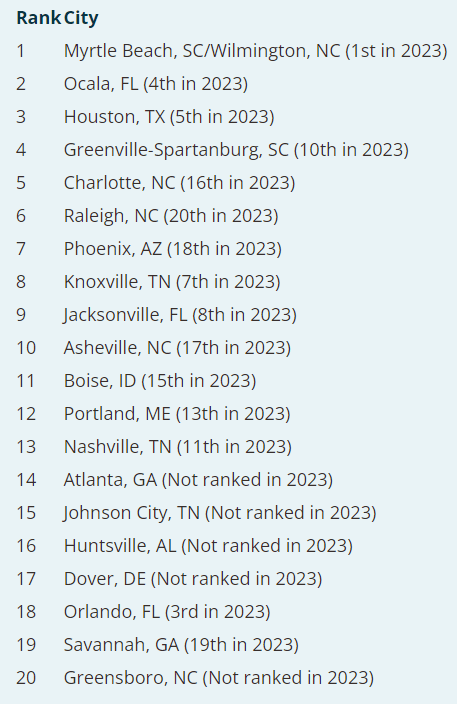
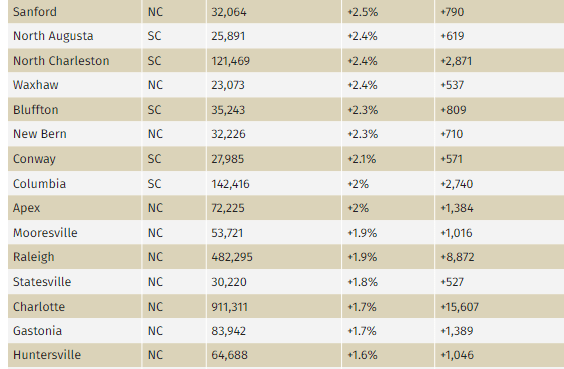
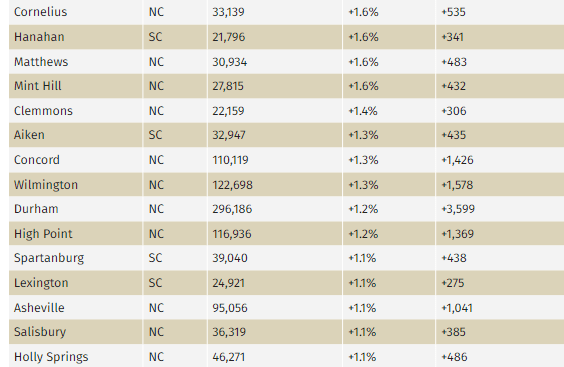
Last year, Florida claimed half of the top 10 spots on our list. This year, that stat goes to a rising dynamic duo: North and South Carolina. We see Greenville-Spartanburg, SC, climbing six spots to come in 4th on our list, while North Carolina’s Charlotte, Raleigh, and Asheville made equally notable gains into the top 10 after ranking below 15th in 2023.
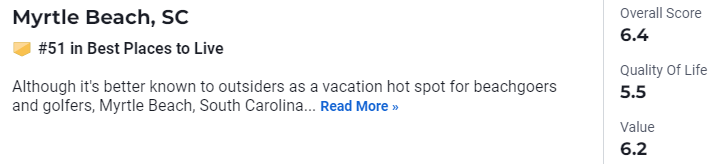
Even more impressive? The Myrtle Beach, SC/Wilmington, NC, area holds onto its crown as the number one most moved-to city for the second year in a row — a PODS moving trends first!

Why the love toward the Carolinas? Aside from offering residents a low cost of living, access to the outdoors, and a solid quality of life, it’s possible the rise in popularity of these two states is part of a larger moving trend we’re seeing centered around the Southern Appalachian region. States within this region — Georgia, Tennessee, North Carolina, Alabama, and South Carolina — are home to the overwhelming majority of this year’s most moved-to locations and are among some of the fastest-growing cities in the U.S. We’ll take a deeper look into this trend later.
What Is the Best State To Live in 2024?
The best state to live in will depend on personal preferences and budget, of course. While we can’t speak for everyone, our latest PODS data suggests that many people have the Carolinas at the top of their lists as the best state to live in. And we can’t blame them; the low cost of living, good quality of life, access to nature, thriving food scene, and vibrant metro areas are easy to fall in love with.
Where Are Companies Moving to in 2024?
Companies are flocking to southern sunbelt states like Texas, Georgia, Arizona, North Carolina, and Tennessee, according to global data center Iron Mountain. These cities offer lower operational costs, tax incentives, and better value for employees.
Cities With the Highest Number of Move-Ins Ranked
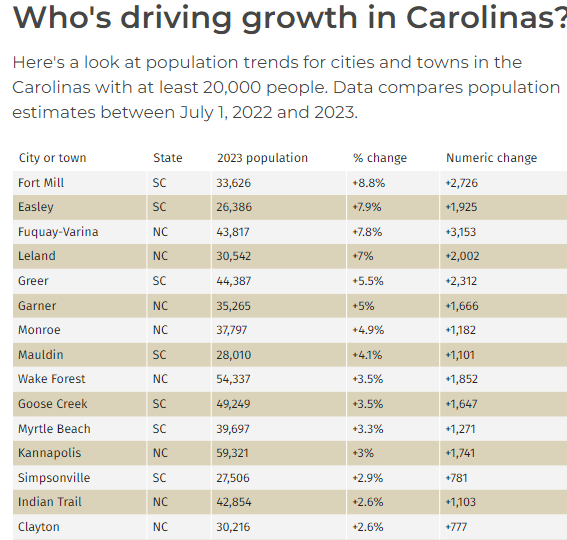
The Carolinas Are Seeing Notable New Resident Numbers
Last year, we noted the Carolinas were worth watching, and this year, they’ve not only taken the trophy as the number one spot for new moves but also broken a record. As mentioned above, the Myrtle Beach, SC/Wilmington, NC, area is officially the first spot to top our most moved-to list for two years in a row.
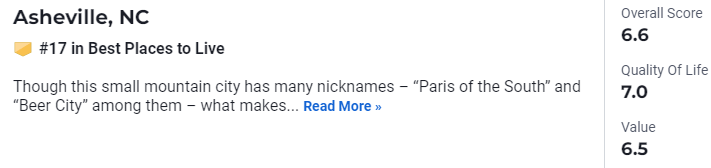
North Carolina flexed its growth with three cities in the top 10: Charlotte, Raleigh, and Asheville, while Greensboro, NC, finished off our list in 20th.
It appears movers are getting wind of the many perks of living in the Carolinas, making them two of the most moved-to states in 2024, according to our customer data. Both states offer beautiful beaches, forestlands, mountains, and vibrant metro cities. The cost of living comes in just below the national average and the quality of life is good. Four-season weather, southern charm, history, and dynamic arts, culture, food, and wine scenes are big draws, too. Residents can also look forward to a growing economy (particularly in North Carolina) and lower tax rates than many other U.S. states.
The median age in popular cities like Charlotte and Raleigh hovers in the mid-30s, while Asheville tends to draw a slightly older demographic with a median age of 40. All three cities have a welcoming vibe, good job market, and creative flair, and they offer an affordable, above-average quality of life.
Cities With the Highest Number of Move-Outs Ranked
Source: PODS










 Multifamily Market News